
- meri shopping
- November 20, 2026
10 Products to Import from China to Pakistan in 2026: Suppliers, MOQ & Demand
Most shops in Pakistan already sell goods made in China: the solar panels on rooftops, the earbuds and chargers in every mobile market, the air fryers on sale pages and the handbags in Anarkali and Tariq Road. If you want to start an import business in Pakistan, the real question is not whether to import from China but which products to pick, who makes them, and how much you have to order.
This guide lists 10 products that Pakistanis are buying and searching for right now, backed by trade data, sales reports and searches on Adjungle.pk. For each one you get the demand evidence, the Chinese manufacturing hub and well-known makers, typical minimum order quantities (MOQ), and the rules you need to check before you pay a supplier. After the list, we walk through how to contact Chinese manufacturers, how the import and customs process works, and how to sell your stock.
Short answer: the 10 best products to import from China to Pakistan
- Solar panels and hybrid inverters (Jiangsu, Zhejiang, Shenzhen)
- Lithium (LiFePO4) batteries for solar and UPS (Shenzhen, Dongguan)
- Chargers, cables and power banks (Shenzhen)
- Wireless earbuds and smartwatches (Shenzhen, Dongguan)
- Air fryers and small kitchen appliances (Shunde in Foshan, Ningbo, Cixi)
- Hair straighteners, trimmers and grooming tools (Guangdong, Zhejiang)
- LED and solar lights (Guzhen in Zhongshan)
- Toys and kids’ products (Chenghai in Shantou, Yiwu)
- Handbags and fashion accessories (Guangzhou’s Shiling and Baiyun, Yiwu)
- Car and bike accessories (Guangzhou, Shenzhen, Yiwu)
Find suppliers on Alibaba.com, Made-in-China.com or Global Sources, or visit the Canton Fair or Yiwu market. Order samples first, pay through a protected method, register with Pakistan Single Window (PSW), and budget for customs duty plus 18% sales tax and advance income tax on top of the factory price.
goods Pakistan imported from China in 2025
Chinese solar panels imported by Nov 2025
jump in battery storage imports in 2025
wholesale shops in Yiwu market
How we chose these products
We did not pick products from a generic “trending products” list. Each product here had to pass three checks:
- Proven demand in Pakistan. We looked at import data (UN COMTRADE figures via Trading Economics, and think-tank reports on solar and batteries), the best-selling categories announced after Daraz’s 11.11 sale, and what people search for on Adjungle.pk. On our own site, “solar”, “solar inverter” and “solar panels” are among the most-searched terms, alongside bikes, toys, earbuds and kitchen appliances.
- Strong supply in China. Every product comes from an established Chinese manufacturing cluster with many competing factories, so you can compare prices and switch suppliers if one lets you down.
- Workable for a small or medium importer. Most items can be ordered in small quantities (sometimes a single sample, often a few hundred pieces), fit in a shared shipping container, and do not need a special licence beyond the normal import registration.
Pakistan imported goods worth about US$20.55 billion from China in 2025, up from US$15.99 billion in 2024, and electrical and electronic equipment was the single biggest category, at US$5.66 billion in 2024 (UN COMTRADE data via Trading Economics). That is the market you are stepping into.
Quick comparison: 10 products to import from China
| Product | Main Chinese hub | Typical MOQ | Starting budget* | Watch out for |
|---|---|---|---|---|
| Solar panels & inverters | Jiangsu, Zhejiang, Shenzhen | 1 pallet (about 30–36 panels); inverters from 1 unit | High | Sales tax on panels, fake “Tier 1” stock, warranty |
| LiFePO4 batteries | Shenzhen, Dongguan, Guangdong | 1 unit sample; logo branding 10–300 units | High | Dangerous-goods shipping, cell grade |
| Chargers, cables, power banks | Shenzhen (Huaqiangbei) | 10–100 units; own logo from about 500 | Low | Fake capacity, unsafe chargers |
| Earbuds & smartwatches | Shenzhen, Dongguan | 2–20 units stock; own logo 1,000–3,000 | Low | PTA rules for wireless devices |
| Air fryers & kitchen appliances | Shunde (Foshan), Ningbo, Cixi | Often 500 units; own logo 500–1,000 | Medium | 220V plugs, warranty and spare parts |
| Hair straighteners & trimmers | Guangdong, Zhejiang | 60–500 units; own logo 500–1,000 | Low–medium | Plug type, heat safety |
| LED & solar lights | Guzhen (Zhongshan) | 100–1,000 units | Low–medium | Real wattage and lumens |
| Toys & kids’ products | Chenghai (Shantou), Yiwu | Mixed cartons; often 1–3 cartons per design | Low–medium | Small parts, paint and battery safety |
| Handbags & accessories | Shiling and Baiyun (Guangzhou), Yiwu | Yiwu shops often sell by the dozen; factories 100–300 | Low | Brand logos (counterfeits) |
| Car & bike accessories | Guangzhou, Shenzhen, Yiwu | 10–500 units | Low–medium | Fit for Pakistani models |
*Budget is relative: Low means you can test with a small mixed order, High means you need a large cash outlay or a full pallet or container. MOQs are typical figures from Alibaba.com listings we checked in November 2026; every supplier sets its own.
1. Solar panels and hybrid inverters
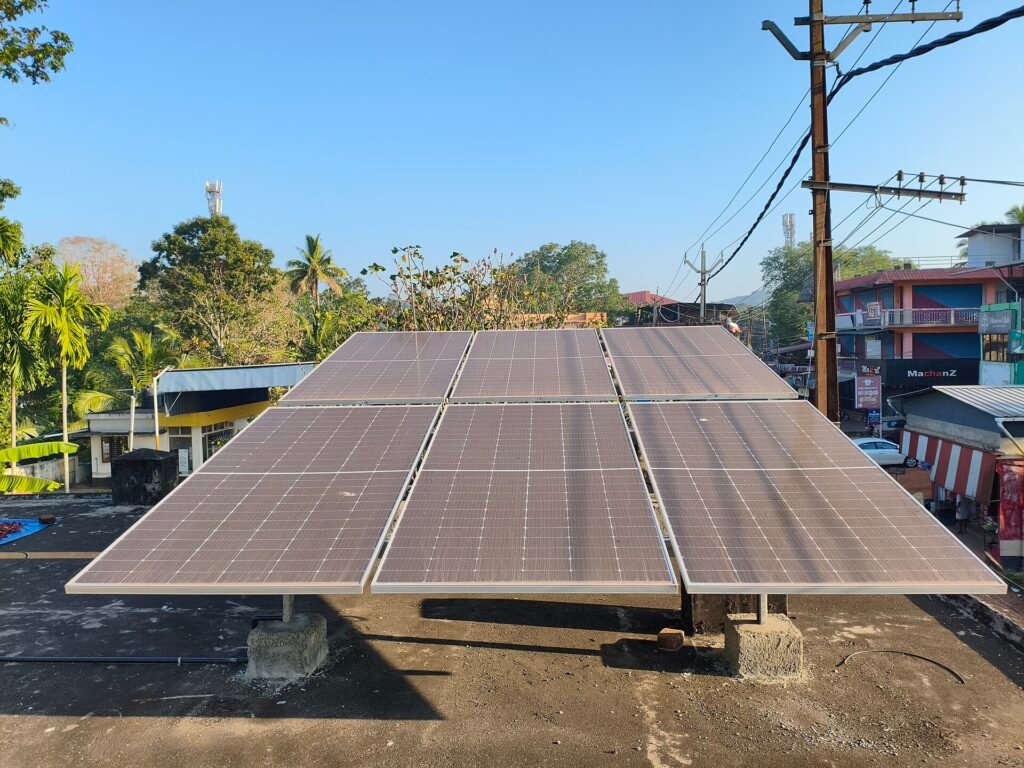
Why it sells: Solar is the biggest import story in Pakistan. The think tank Renewables First estimates that Pakistan had imported about 51.5 GW of Chinese solar panels by November 2025, including around 16.6 GW in 2024 alone (pv magazine, The News). High electricity bills and load-shedding keep demand going in homes, shops, farms and factories, and “solar inverter” and “solar panels” are among the top searches on Adjungle.pk.
Who makes them: Most panels sold in Pakistan come from large Chinese makers such as LONGi, JinkoSolar, Trina Solar and JA Solar. For inverters, Chinese brands like Growatt, GoodWe, Solis (Ginlong) and Huawei are widely sold here. GoodWe, for example, says it has been in the Pakistani market for over a decade.
Is it right for a beginner? Only with enough capital. Big brands sell through authorised distributors, and some Pakistani buyers report that Chinese suppliers refuse to sell certain inverter brands for unauthorised resale. Smaller importers usually do better with lesser-known but certified panel makers, mounting structures, cables, MC4 connectors and solar accessories, which have lower entry costs.
Tax to know: In the 2025-26 federal budget the government applied sales tax to imported solar panels, announced at a reduced 10% rate instead of the 18% first proposed (Arab News, Geo). Rates and how they are applied can change, so confirm the current figure with your clearing agent before you price your stock.
At a glance
| What | Details |
|---|---|
| Demand signal | 51.5 GW of Chinese panels imported by Nov 2025; top search on Adjungle.pk |
| Where in China | Jiangsu and Zhejiang (panels), Shenzhen and Zhejiang (inverters) |
| Example makers | LONGi, JinkoSolar, Trina, JA Solar (panels); Growatt, GoodWe, Solis, Huawei (inverters) |
| Typical MOQ | Panels are packed about 30–36 per pallet; a 40ft container holds roughly 600–720 panels of 580W class. Inverters often from 1 unit |
| Rules to check | Sales tax on panels, genuine datasheets and warranty, after-sales support in Pakistan |
How to find and contact the makers
Search for the factory, not just the brand. On Alibaba.com or Made-in-China.com, filter for Verified Manufacturer, ask for the module datasheet and IEC test certificates, and ask whether the factory gives a written warranty that is honoured in Pakistan. For well-known inverter brands, contact the brand’s Pakistan distributor first, because many brands do not allow grey imports and you will struggle to give customers a warranty.
2. Lithium (LiFePO4) batteries for solar and UPS
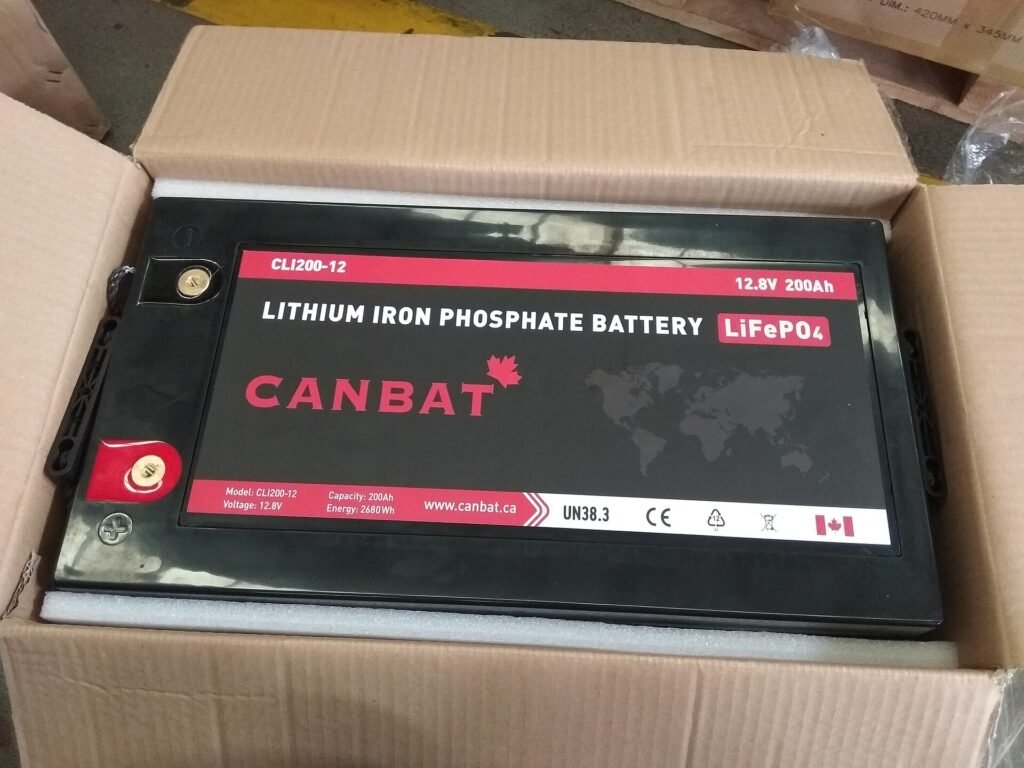
Why it sells: Once a home has solar, the next purchase is storage. Renewables First reports that battery energy storage imports into Pakistan reached 4.6 GWh in 2025, up 220% on the year before, and The News reported that Pakistan imported 68% more lithium batteries from China in the first half of 2025 than in the whole of 2024. Customers are replacing lead-acid UPS batteries with lithium iron phosphate (LiFePO4) packs that last longer and charge faster.
Who makes them: Large cell makers like CATL, EVE and BYD supply cells to thousands of pack assemblers, most of them in Shenzhen, Dongguan and the wider Guangdong area. Popular products are 12V 100–200Ah packs for UPS and 48V/51.2V 100–200Ah wall-mounted packs for hybrid inverters.
What it costs: On Alibaba.com, many 51.2V 100Ah wall-mounted packs list a minimum order of 1 piece, with sample prices we saw ranging from about US$800 to US$1,000+, and logo or packaging customisation from 10 to 300 units depending on the factory. Treat these as starting points to negotiate, not fixed prices.
At a glance
| What | Details |
|---|---|
| Demand signal | Battery storage imports +220% in 2025 (Renewables First) |
| Where in China | Shenzhen, Dongguan, Huizhou (Guangdong); Jiangsu and Anhui |
| Example makers | Cells: CATL, EVE, BYD. Packs: many Guangdong assemblers on Alibaba.com |
| Typical MOQ | 1 unit for samples; own logo or packaging from about 10–300 units |
| Rules to check | Shipped as dangerous goods (UN38.3 and MSDS needed); Grade A cells; BMS and inverter compatibility |
How to find and contact the makers
Ask every battery supplier for the UN38.3 test report and MSDS (your freight forwarder needs these to ship lithium batteries), the cell brand and grade, cycle-life test data, and which inverter brands the BMS has been tested with. Order one or two samples, test them on a real inverter for a few weeks, and only then place a bigger order.
3. Mobile chargers, cables and power banks
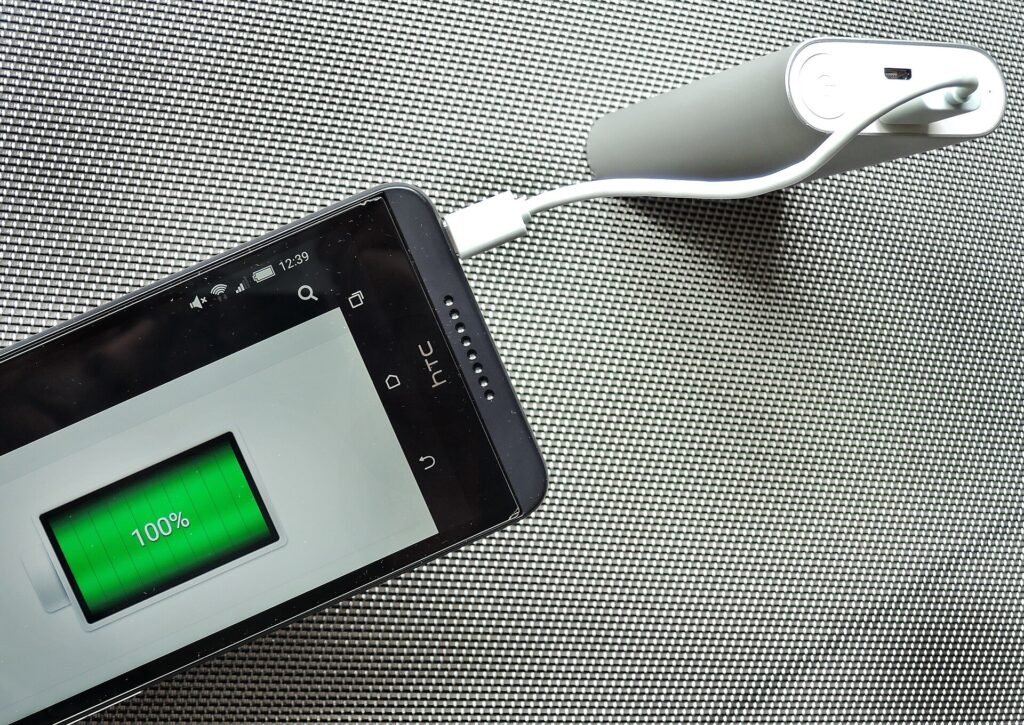
Why it sells: Pakistan has well over 100 million mobile users, and every phone needs chargers, cables and, during load-shedding, a power bank. These are low-ticket, fast-moving items that sell in mobile markets, on Daraz and in your own online shop. They are also easy to bundle with phones and earbuds.
Who makes them: Shenzhen is the global centre for phone accessories. Brands like Baseus (Longgang, Shenzhen) and Ugreen (Longhua, Shenzhen) are headquartered there, and behind them are thousands of OEM factories that will put your own brand on chargers and power banks. The Huaqiangbei electronics market in Shenzhen is the place to see the full range in person.
At a glance
| What | Details |
|---|---|
| Demand signal | Everyday item; mobile accessories are a top category in Pakistani e-commerce |
| Where in China | Shenzhen and Dongguan (Guangdong) |
| Example makers | Baseus, Ugreen and many OEM factories in Shenzhen |
| Typical MOQ | Ready stock from 10–100 units; your own logo usually from about 500–1,000 |
| Rules to check | Real mAh capacity (test it), fast-charging protocol support, overheating protection |
How to find and contact the makers
Search Alibaba.com for “GaN charger OEM” or “power bank 20000mAh OEM” and filter by Guangdong. Ask for a capacity test video and buy samples from three suppliers so you can compare real capacity and build quality. Fake capacity is the number one complaint with cheap power banks, so test before you sell.
4. Wireless earbuds and smartwatches
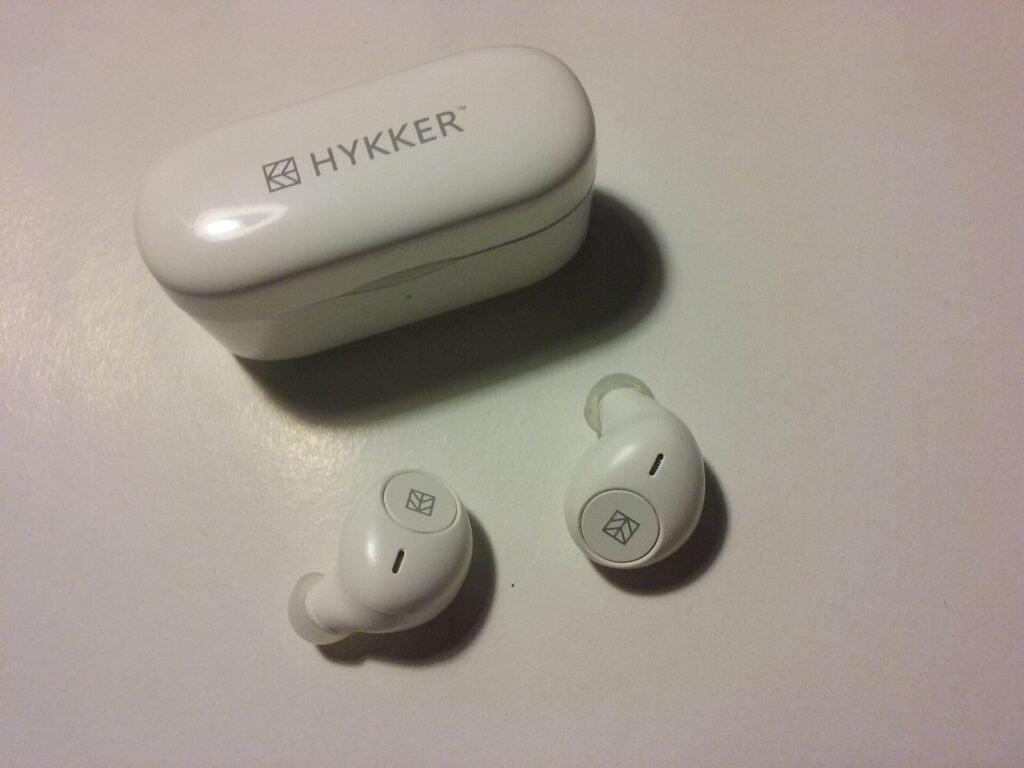
Why it sells: Earbuds and smartwatches were among the most-ordered products in Daraz Pakistan’s 11.11 sale in 2025, with audio listed as one of the top five categories (ProPakistani). Market research quoted in Pakistani media puts the country’s fitness tracker and headphones market at about US$339 million in 2025. Local brands such as Zero Lifestyle and Ronin have grown by designing and sourcing these products, which shows how much room there is for well-branded, fairly priced gadgets.
Who makes them: True wireless (TWS) earbuds and budget smartwatches are made in huge volumes in Shenzhen and Dongguan, usually on Bluetooth chips from JieLi, Bluetrum (AB) or Actions. You can buy ready-made models with no branding, or ask for your own logo, box and colour.
At a glance
| What | Details |
|---|---|
| Demand signal | Top 11.11 items on Daraz in 2025; strong searches for earbuds on Adjungle.pk |
| Where in China | Shenzhen and Dongguan (Guangdong) |
| Example makers | Hundreds of OEM and ODM factories; chips from JieLi, Bluetrum, Actions |
| Typical MOQ | Stock models from 2–20 units on Alibaba.com; own logo usually 1,000–3,000 units |
| Rules to check | PTA type approval rules for wireless (Bluetooth) devices; battery shipping documents |
How to find and contact the makers
Order samples of 5–10 different models, use them for a week, and keep the two or three with the best battery life, call quality and case build. Ask the factory which Bluetooth chip and battery size each model uses. Before importing commercially, check the Pakistan Telecommunication Authority (PTA) type approval requirements for Bluetooth and smart devices, because rules for wireless terminal equipment have changed over the years.
5. Air fryers and small kitchen appliances
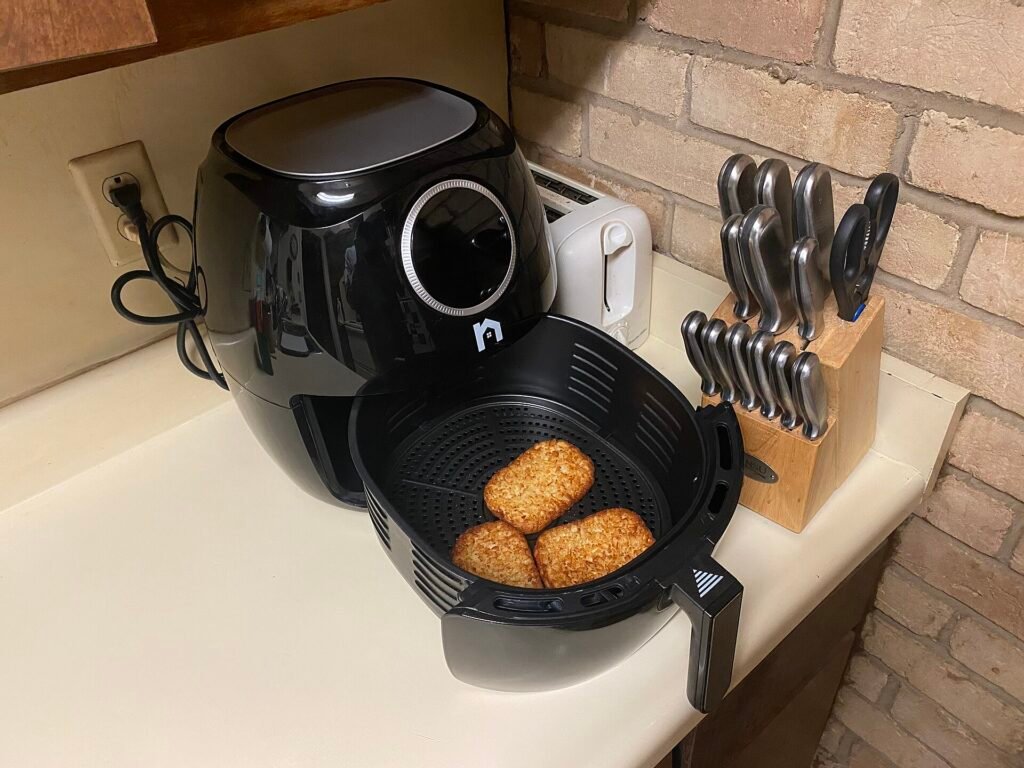
Why it sells: Air fryers have moved from a luxury to a regular wedding and Eid gift in Pakistan. Retailers list them as one of the top-selling kitchen appliances, with most models priced around Rs 15,000 to Rs 35,000, and unbranded “imported Chinese model” air fryers sell in large numbers online. Blenders, choppers, electric kettles and sandwich makers follow the same pattern.
Who makes them: Shunde, a district of Foshan in Guangdong, is known as China’s home appliance capital. Its appliance industry produced more than 400 billion yuan of output in 2025, and it is home to Midea as well as many OEM makers such as Foshan Shunde Kufu Electric, Bear and Xinbao. The other big clusters are Ningbo and Cixi in Zhejiang and Zhongshan in Guangdong.
At a glance
| What | Details |
|---|---|
| Demand signal | Top-selling kitchen appliance in Pakistani online stores |
| Where in China | Shunde (Foshan), Zhongshan, Ningbo and Cixi |
| Example makers | Midea, Foshan Shunde Kufu, Bear, Xinbao and many OEM factories |
| Typical MOQ | Often 500 units per model; own logo or colour box from about 500–1,000 |
| Rules to check | 220–240V and the right plug, CB or CE test reports, spare baskets and after-sales |
How to find and contact the makers
Ask for a CB or CE test report, confirm the voltage and plug, and request spare baskets and parts with your order, because customers will ask for warranty service. If 500 units is too many, ask a trading company or a Yiwu supplier for a mixed order, or share a container with other importers through a consolidator.
6. Hair straighteners, trimmers and grooming tools
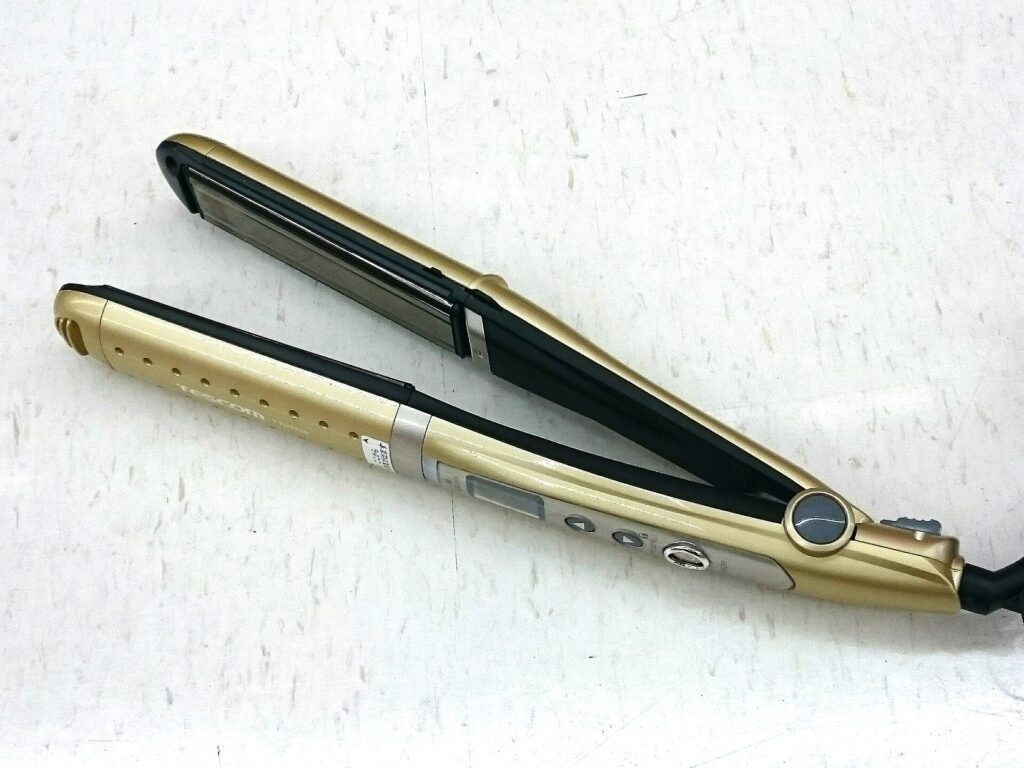
Why it sells: Hair straighteners were named among the most-ordered products in Daraz’s 2025 11.11 sale, and beauty was one of the strongest categories. Hair trimmers and shavers from Chinese brands like Kemei are a common sight in Pakistani markets. These products are light, easy to ship by air or sea, and sell well during wedding season and Eid.
Who makes them: Factories in Guangdong (Shenzhen, Guangzhou, Dongguan) make most of the mid- to higher-end styling tools, while Zhejiang (Yiwu, Wenzhou, Ningbo) is known for cost-effective models and quick turnarounds.
At a glance
| What | Details |
|---|---|
| Demand signal | Hair straighteners among Daraz 11.11 best-sellers in 2025 |
| Where in China | Guangdong (Shenzhen, Guangzhou, Dongguan) and Zhejiang (Yiwu, Wenzhou) |
| Example makers | Kemei and many OEM styling-tool factories |
| Typical MOQ | Some stock models from about 60 units; own logo usually 500–1,000 |
| Rules to check | Correct plug and voltage, temperature control, safe cords; no copied brand names |
How to find and contact the makers
Start with ready-stock models that already have good reviews, then move to your own logo once you know which ones sell. Ask for CE or CB test reports and test each sample for heat-up time and temperature accuracy.
7. LED bulbs, LED strips and solar lights
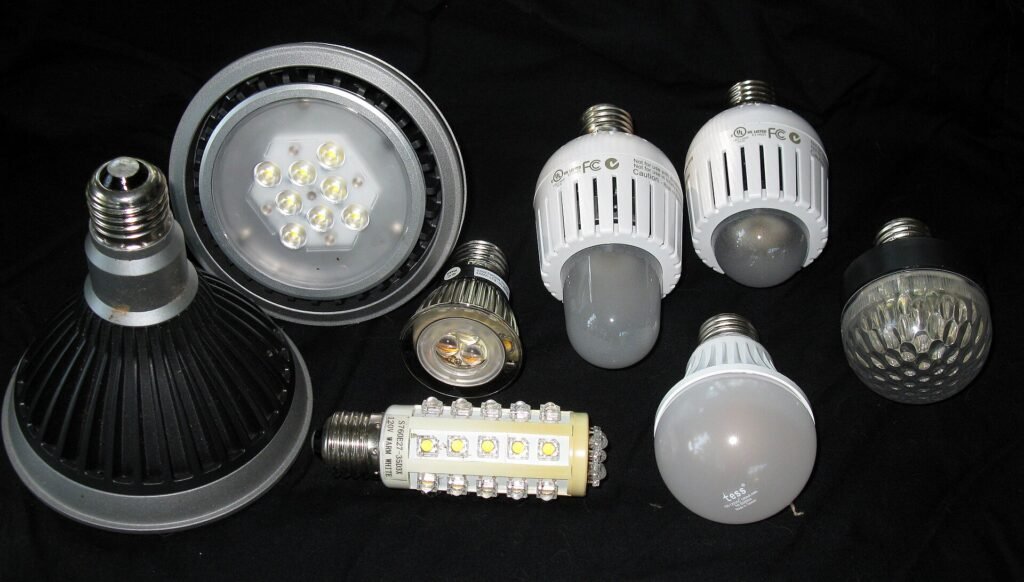
Why it sells: Rising electricity prices push households and shops to replace old lights with LEDs, and load-shedding has created steady demand for rechargeable and solar lights, from emergency bulbs to solar street lights and garden lamps. Decorative LED strips also sell well during weddings, Ramadan and Independence Day.
Who makes them: Guzhen town in Zhongshan, Guangdong, is known as China’s “lighting capital”, with thousands of lighting factories and showrooms. Shenzhen makes many LED strips and drivers, and Yiwu has a large lighting section for low-MOQ buying.
At a glance
| What | Details |
|---|---|
| Demand signal | Steady demand from high power bills and load-shedding |
| Where in China | Guzhen (Zhongshan), Shenzhen, Yiwu |
| Example makers | Thousands of Guzhen and Shenzhen lighting factories |
| Typical MOQ | 100–1,000 units per model; lower in Yiwu |
| Rules to check | Real wattage and lumens, driver quality, battery capacity on solar lights |
How to find and contact the makers
Lighting is a category where specifications are often exaggerated. Ask for test reports showing real wattage and lumens, and for solar lights, the actual battery and panel size. A cheap lux meter and a power meter will tell you quickly whether a sample matches the listing.
8. Toys and kids’ products
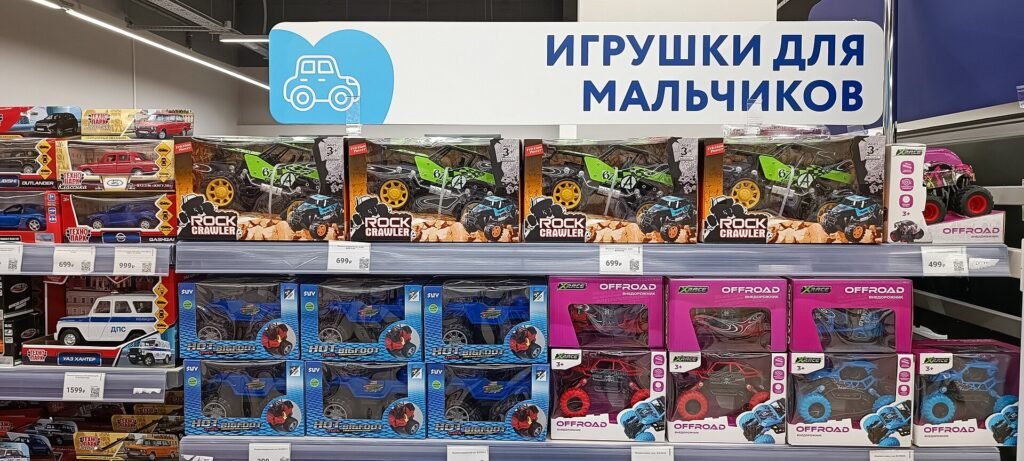
Why it sells: Pakistan has one of the youngest populations in the world, and toys sell all year, with peaks around Eid, birthdays and school holidays. “Toys” is one of the regular searches on Adjungle.pk. Remote-control cars, building blocks, educational toys, ride-ons and baby products all do well.
Who makes them: Chenghai district in Shantou, Guangdong, is known as China’s toy capital. It is home to more than 50,000 toy businesses and makes nearly half of China’s plastic toys (CCPIT). Yiwu also has a huge toy section where you can mix many designs in one order.
At a glance
| What | Details |
|---|---|
| Demand signal | Young population; steady seasonal sales; regular searches on Adjungle.pk |
| Where in China | Chenghai (Shantou), Yiwu, Guangzhou |
| Example makers | Tens of thousands of Chenghai factories; trading companies in Yiwu |
| Typical MOQ | Often 1–3 cartons per design; mixed orders through Yiwu suppliers |
| Rules to check | Small parts and age labels, safe paint, battery compartments, packaging in English or Urdu |
How to find and contact the makers
Because each toy design has a small MOQ, toys are a good way to test many products at once. Visit or source through Yiwu for a mixed first order, then go direct to Chenghai factories for the designs that sell. Always check for small parts and sharp edges, and ask whether the toys have passed EN71 or similar safety tests.
9. Handbags, wallets and fashion accessories
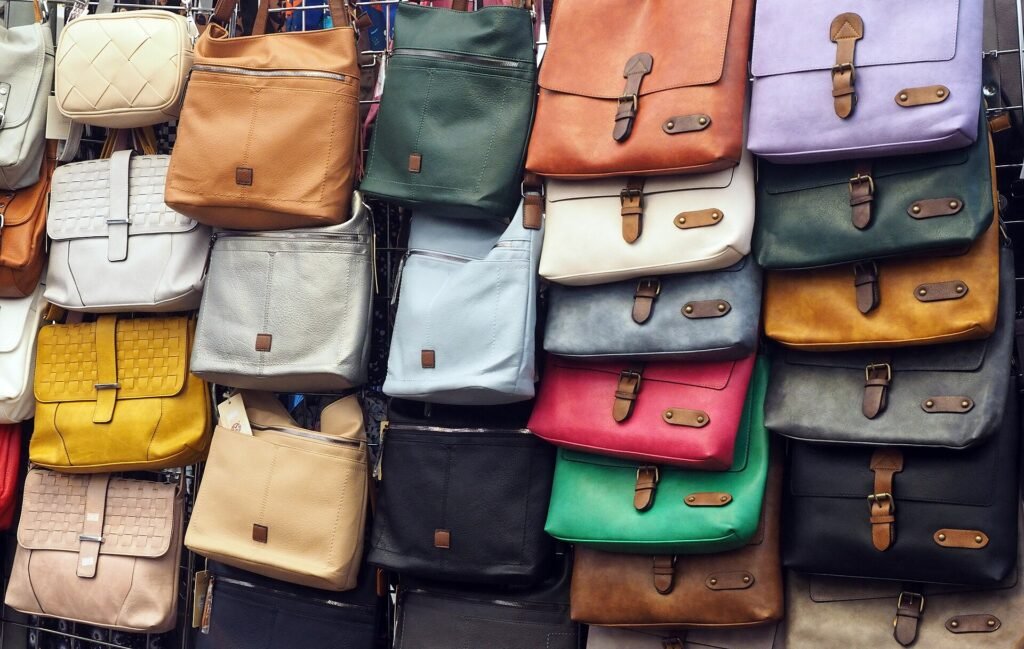
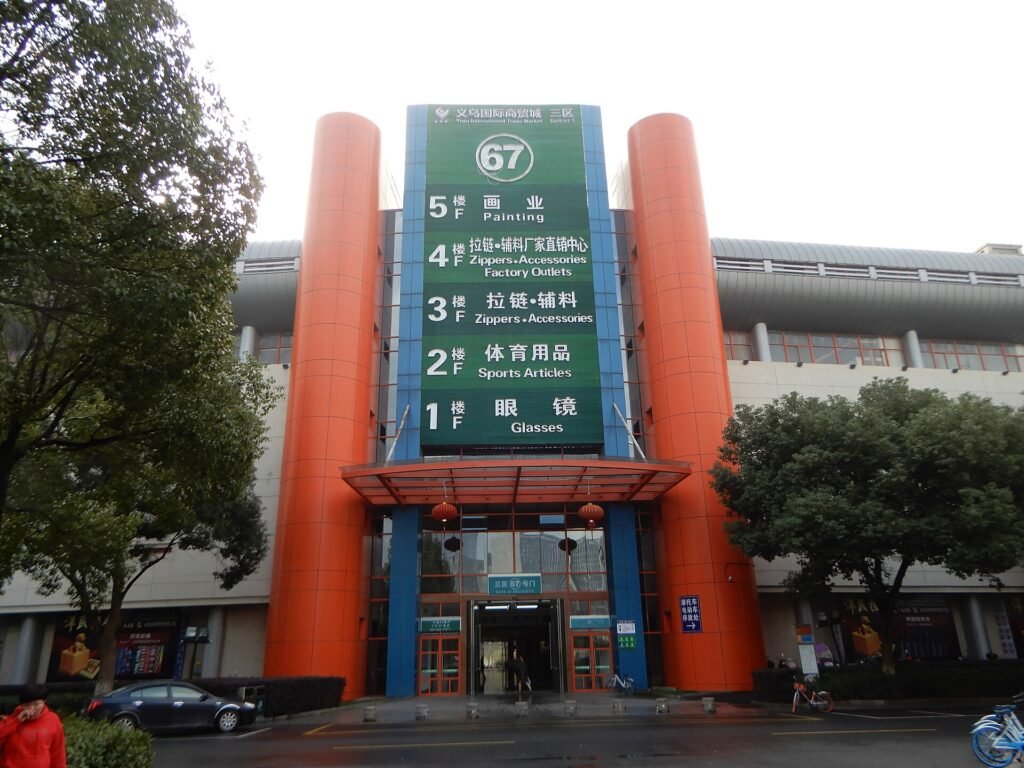
Why it sells: Handbags were among the most-ordered items in Daraz’s 2025 11.11 sale, and women’s fashion was one of the top categories. Bags, wallets, belts, hair accessories and fashion jewellery have high margins, are light to ship, and sell well on Instagram, Facebook and online stores.
Who makes them: Shiling town in Huadu, Guangzhou, is called China’s “capital of leather goods”. It has over 18,000 businesses and produces more than 700 million bags and leather goods a year (Nanfang News). Guangzhou’s Baiyun and Sanyuanli areas are well-known wholesale markets for finished bags, and Yiwu is the place for low-MOQ bags, jewellery and accessories.
At a glance
| What | Details |
|---|---|
| Demand signal | Handbags among Daraz 11.11 best-sellers in 2025 |
| Where in China | Shiling and Baiyun (Guangzhou), Yiwu, Quanzhou (backpacks) |
| Example makers | Thousands of Shiling workshops and factories |
| Typical MOQ | Yiwu shops often sell by the dozen; factories usually 100–300 per design |
| Rules to check | Never import copies of famous brand logos: counterfeits can be seized at customs |
How to find and contact the makers
Choose unbranded designs or create your own simple label. Ask suppliers for real photos and videos of the stitching and lining, and order a few pieces of each style before committing. Counterfeit branded bags are a legal risk, so avoid any listing that uses a well-known brand’s name or logo.
10. Car and motorbike accessories
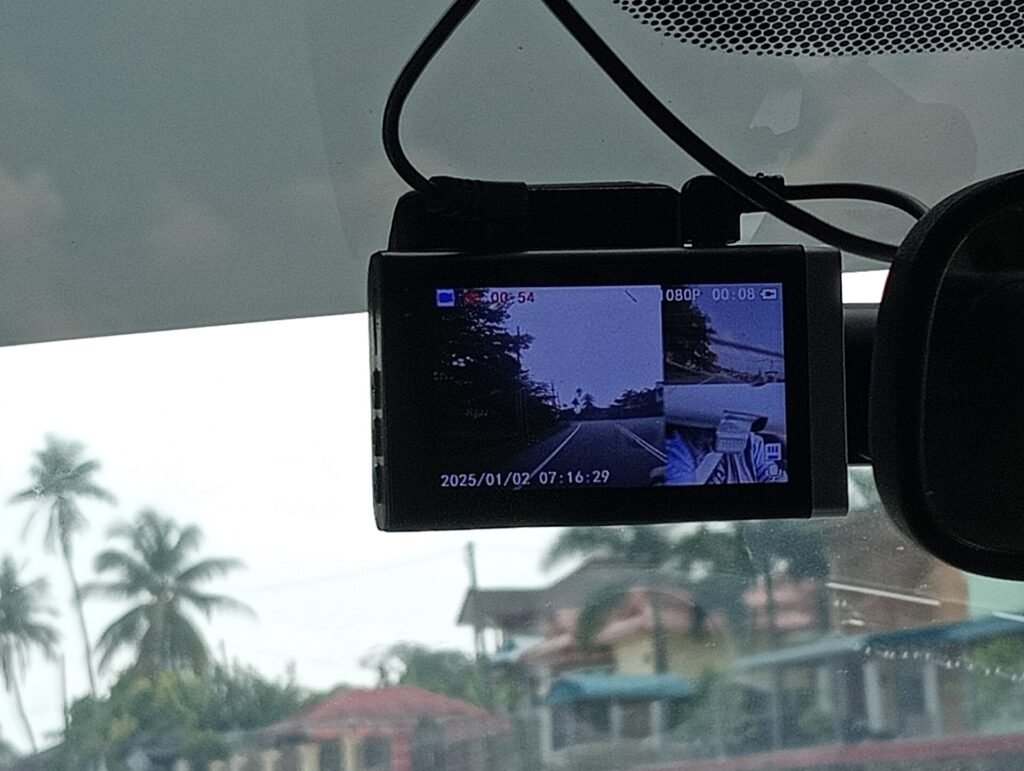
Why it sells: Pakistan has millions of motorbikes and a growing number of cars, and bikes are by far the most-searched category on Adjungle.pk. Owners keep buying accessories: dash cams, LED headlights, phone holders, seat covers, car chargers, tyre inflators, bike covers and helmets. Many of these are small, light and easy to sell online.
Who makes them: Guangzhou has large auto-parts and accessory markets, Shenzhen makes dash cams, car chargers and electronics, and Yiwu has a big section of low-cost car and bike accessories for mixed orders.
At a glance
| What | Details |
|---|---|
| Demand signal | Bikes are the most-searched category on Adjungle.pk; large vehicle base |
| Where in China | Guangzhou, Shenzhen, Yiwu, Zhejiang (Taizhou, Wenzhou) |
| Example makers | Many OEM factories; ready stock in Yiwu and Guangzhou markets |
| Typical MOQ | 10–500 units depending on the item |
| Rules to check | Fit for popular Pakistani models (Honda 70, CD 70, 125, Suzuki and Toyota cars), legal headlight brightness |
How to find and contact the makers
Make a list of the most common vehicles in your city and only order accessories that fit them. Send suppliers the model names and years, and ask for fitting photos or videos. Dash cams and LED headlights are good starter items because they are compact and easy to demonstrate in videos.
How to find and contact Chinese manufacturers
You do not need to fly to China to start. Most Pakistani importers begin online and visit China later, once they have regular orders. These are the main ways to find suppliers:
- Alibaba.com: the largest B2B marketplace. Use filters for Verified Supplier or Verified Manufacturer, check years on the platform, response rate and reviews, and pay through Trade Assurance where possible so your payment is protected if the goods are late or wrong.
- Made-in-China.com and Global Sources: good for finding factories (rather than traders) in electronics, appliances and solar. Global Sources also runs trade shows in Hong Kong.
- 1688.com: China’s domestic wholesale site, with lower prices but listings in Chinese and suppliers who usually do not ship abroad. Most Pakistanis use a sourcing agent or freight forwarder to buy from 1688.
- The Canton Fair (Guangzhou): China’s biggest trade fair, held twice a year in spring (usually mid-April to early May) and autumn (mid-October to early November) in three phases: electronics and appliances first, then home goods, then fashion, toys and gifts. Check the official dates on the Canton Fair website before you book.
- Yiwu International Trade City: the world’s largest small-commodities market, with more than 75,000 shops in five districts. Ideal for mixed, low-MOQ orders of toys, bags, jewellery, lights, kitchen items and accessories.
- Specialist markets: Huaqiangbei in Shenzhen for electronics, Shiling and Baiyun in Guangzhou for bags and leather, Guzhen in Zhongshan for lighting, and Shunde in Foshan for home appliances.
A simple message to send a supplier
Keep your first message short and specific. Suppliers answer clear buyers faster. For example:
Hello, I am an importer from Pakistan. I am interested in your 5L digital air fryer (model XXX). Please send: price for 500 and 1,000 pcs FOB Ningbo, MOQ, lead time, CE/CB test report, plug type (we use 220V, type C/D), and sample price with shipping to Karachi. Can you put our logo on the product and box? Thank you.
How to check a supplier before you pay
- Ask for the business licence and check that the company name matches the bank account you are paying.
- Ask for a live video call from the factory floor or showroom.
- Order samples from at least two or three suppliers and compare them side by side.
- For larger orders, pay for a third-party inspection before shipment (companies such as SGS, Bureau Veritas, QIMA or a local agent offer this).
- Never pay a new supplier’s personal account, and be careful if bank details change by email: this is a common scam.
Minimum order quantity (MOQ): what to expect and how to negotiate
The MOQ is the smallest order a supplier will accept. It depends on the product, whether the item is ready stock or made to order, and whether you want your own logo or packaging. In general:
- Ready stock, no branding: often 1 to 100 units (earbuds, chargers, batteries, bags in Yiwu).
- Your logo on the product or box: usually 500 to 3,000 units, because the factory has to make printing plates or moulds.
- Fully custom designs (new mould or colour): usually several thousand units.
To get a lower MOQ, ask for a trial order and offer to pay a little more per unit, combine several colours or models into one order, choose an existing model instead of a custom one, or buy from a trading company or Yiwu supplier that already holds stock.
How to import from China to Pakistan: step by step
- Register your business for tax. Get an NTN from the FBR and, for commercial imports, sales tax registration. Being on the FBR’s Active Taxpayers List (ATL) lowers the advance income tax you pay at import.
- Register on Pakistan Single Window (PSW). Imports are filed electronically through PSW (which works with Pakistan Customs’ WeBOC system). You can register yourself or appoint a licensed customs clearing agent.
- Find the HS code for your product. The HS code decides your customs duty, any regulatory duty and whether the product needs special permission. Check it in the Pakistan Customs Tariff or ask your clearing agent.
- Check product rules. Some goods need a release from the Pakistan Standards and Quality Control Authority (PSQCA), wireless devices may need PTA type approval, and some items are restricted or banned under the Import Policy Order.
- Agree the deal and Incoterms. Ask for quotes as FOB (you arrange shipping from a Chinese port) or CIF/CFR Karachi (supplier arranges shipping). Get a proforma invoice with full product details.
- Pay through your bank. Payments are made through a bank under State Bank of Pakistan rules, for example by letter of credit or advance payment against a proforma invoice. Since 2024, banks can process advance import payments up to 100% of the invoice value without prior SBP approval, but the goods must arrive within the set period (generally 120 days) or penalties apply. Your bank will issue the electronic import form (EIF) through PSW.
- Ship the goods. Small, urgent orders and samples go by air or courier. Bigger orders go by sea: LCL (a shared container) for a few cubic metres, or a full 20ft or 40ft container. Sea freight from Chinese ports to Karachi usually takes a few weeks.
- Claim the China–Pakistan FTA benefit. Under the China–Pakistan Free Trade Agreement (Phase II, in force since 2020), many goods get reduced customs duty if you present a valid China–Pakistan FTA certificate of origin. Ask your supplier to arrange it with the shipment.
- Clear customs. Your clearing agent files the goods declaration, pays duties and taxes, and arranges inspection. Then the goods are released and delivered to your warehouse.
Import duties and the real landed cost
The factory price is only part of your cost. To work out your landed cost per unit, add up:
| Cost item | What it is |
|---|---|
| Product cost | Price agreed with the supplier (FOB or CIF) |
| Freight and insurance | Air or sea shipping to Karachi or your port, plus insurance |
| Customs duty | Depends on the HS code; may be reduced under the China–Pakistan FTA |
| Additional and regulatory duty | Extra duties that apply to many goods, especially consumer items |
| Sales tax | Generally 18% at import (some items, such as solar panels, have special rates) |
| Income tax at import | Advance income tax; lower if you are on the Active Taxpayers List |
| Clearing and port charges | Clearing agent fee, port, terminal and container charges |
| Local delivery | Transport from port to warehouse and then to customers |
Rates change with each budget and differ by product, so always get a duty calculation from a clearing agent for your exact HS code before you order. A good rule for beginners is to price your goods so that you still make a profit if your landed cost turns out 15–20% higher than you expected.
Common mistakes new importers make
- Skipping samples. Photos can be misleading. Always test a sample before a bulk order.
- Choosing only on price. The cheapest offer often means lower-grade parts, fake capacity or weak packaging.
- Ignoring the HS code and rules. A product that needs PSQCA or PTA approval can be held at the port.
- Forgetting the plug and voltage. Pakistan uses 220–240V with mostly Type C and Type D plugs.
- Importing copies of famous brands. Counterfeit goods can be seized and can lead to legal action.
- Ordering too much too soon. Start small, see what sells, then reorder in larger quantities.
- No plan for warranty. For appliances and electronics, keep spare parts and a simple returns policy.
Where to sell your imported products in Pakistan
Once your stock arrives, you need buyers. Most successful importers use several channels at once:
- Your own free online store on Adjungle.pk: list your products with photos and prices, take cash-on-delivery orders and keep 100% of each sale. See our guide on how to open an online store in Pakistan for free.
- Free classified ads on Adjungle.pk to reach buyers in your city, especially for bulk and wholesale lots.
- Marketplaces such as Daraz, where the biggest sales happen during 11.11 and other campaigns.
- WhatsApp, Facebook and Instagram for repeat customers and short product videos.
- Wholesale to local shops in your city’s main markets once you have regular stock.
China se maal mangwa kar business kaise shuru karein? (Roman Urdu)
Agar aap China se maal import kar ke business shuru karna chahte hain to pehle aisi cheez chunein jiski Pakistan mein demand pehle se ho, jaise solar panel, lithium battery, earbuds, air fryer, hair straightener, LED lights, toys, handbags aur bike ya car accessories.
- FBR se NTN banwayein aur Pakistan Single Window (PSW) par registration karein, ya kisi clearing agent ki madad lein.
- Alibaba.com, Made-in-China.com ya Yiwu market se supplier dhoondein. Verified manufacturer chunein.
- Pehle sample mangwayein aur check karein. Phir chhota order dein.
- Payment bank ke zariye karein aur Alibaba par Trade Assurance istemal karein.
- China–Pakistan FTA ka certificate of origin zaroor lein taake customs duty kam lage.
- Maal aane ke baad Adjungle.pk par free online store ya free ad laga kar bechein.
Ready to sell what you import?
Open your free online store on Adjungle.pk or post a free ad. No setup fee, no monthly fee and cash on delivery straight to you.
Frequently asked questions
Which product is best to import from China to Pakistan for a small budget?
With a small budget, start with light, fast-selling items that have low MOQs: phone chargers, cables, power banks, earbuds, hair accessories, small toys and car or bike accessories. You can test several products with a mixed order from Yiwu or Alibaba.com before investing in bigger items like solar panels or air fryers.
How much money do I need to start an import business from China?
It depends on the product. You can test the market with samples and a small mixed order of a few hundred dollars plus shipping and duties. Appliances and batteries usually need a few thousand dollars because of higher MOQs, while solar panels by the pallet or container need much more. Always include freight, duties, taxes and clearing charges in your budget.
Do I need a licence to import from China to Pakistan?
For commercial imports you need an NTN from the FBR, usually sales tax registration, and registration on Pakistan Single Window (PSW), which you can do yourself or through a licensed clearing agent. Some products also need approvals, such as a PSQCA release for certain goods or PTA type approval for wireless devices.
How do I contact Chinese manufacturers safely?
Use Alibaba.com, Made-in-China.com or Global Sources, filter for verified manufacturers, and message several suppliers with clear questions about price, MOQ, lead time and test reports. Ask for a business licence and a video call, order samples first, and pay through a protected method such as Alibaba Trade Assurance or your bank.
What is MOQ and can I order less?
MOQ means minimum order quantity, the smallest order a supplier accepts. Ready-stock items can have MOQs as low as 1 to 100 units, but adding your own logo usually needs 500 to 3,000 units. You can often negotiate a smaller trial order by paying a little more per unit or choosing an existing model.
How long does shipping from China to Pakistan take?
Air shipping and courier usually take a few days to a couple of weeks. Sea freight to Karachi usually takes a few weeks, plus time for loading, customs clearance and delivery. Add time for production: many factories need 15 to 45 days to make a bulk order.
Is there a free trade agreement between China and Pakistan?
Yes. The China–Pakistan Free Trade Agreement has been in force since 2007, and its Phase II has applied since January 2020. Many goods from China get reduced customs duty if you present a valid China–Pakistan FTA certificate of origin, so ask your supplier to provide it.
Can I sell imported products on Adjungle.pk?
Yes. You can open a free online store on Adjungle.pk with a shopping cart and cash on delivery, or post free classified ads. There is no setup fee or monthly fee for stores at launch.
Sources and how this guide was made
We built this list from public trade data, news reports and supplier listings, plus anonymised search data from Adjungle.pk. MOQs and sample prices come from Alibaba.com listings we checked in November 2026 and are examples only. Duties, taxes and rules change, so confirm them with a licensed clearing agent and the relevant authority before you import. Photos are from Wikimedia Commons, credited under each image. Last updated: 20 November 2026.
- Trading Economics (UN COMTRADE): Pakistan imports from China
- pv magazine: Pakistan’s installed PV capacity estimated above 27 GW (Renewables First data)
- The News: Pakistan’s solar growth tied to China’s industrial power
- pv magazine: Pakistan imports 4.6 GWh of BESS in 2025
- The News: Solar push sparks 68pc rise in lithium battery imports
- Arab News: Pakistan reduces sales tax on imported solar panels to 10%
- ProPakistani: DarazMall brands lead Daraz Pakistan’s 11.11 sale (Dec 2025)
- Profit: Pakistan’s US$339 million wearable tech market
- GoodWe: launch of C&I solutions in Pakistan
- Bastille Post: Shunde’s home appliance industry
- CCPIT: Chenghai toy businesses
- Global Sources: Yiwu market handbook
- Nanfang News (GO Guangdong): Shiling, capital of leather products
- Dawn: SBP allows advance payments for imports
- FBR: SRO for Phase II of the Pakistan–China FTA
- Pakistan Single Window
Recent Posts
- 10 Products to Import from China to Pakistan in 2026: Suppliers, MOQ & Demand
- How to Open an Online Store in Pakistan for Free (2026 Guide)
- Electric Scooty Price in Pakistan (2026): 12 Best E-Scooters & Electric Bikes
- Top 10 Realme Phones in Pakistan (2026): Prices, Specs & Service Centres
- The Best PC Setup for Gaming in 2027: 10 Builds for GTA 6 & More (Pakistan Prices)
Leave your comment